

Visiting Lindos Acropolis for the First Time: What to Expect
14 January 2026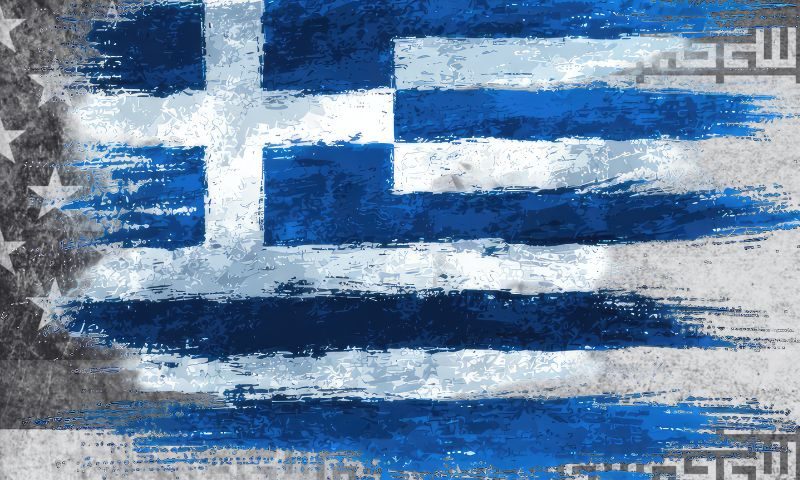
In a year where global headlines feel louder than ever, the human need for a “reset” has never been more urgent. While parts of the world navigate complex geopolitical shifts, Greece has emerged not just as a premier travel destination, but as a global sanctuary.
As we enter the 2026 season, the narrative for travelers has shifted. Choosing Greece is no longer just about the sun and the sea; it is about the luxury of peace and the certainty of stability. For those asking, “Is Greece safe to visit in 2026?” the answer is found in the calm waters of the Aegean.
Geographic Clarity: The “Safe Distance” Strategy
In 2026, savvy travelers are looking for geographic facts over social media noise. While headlines focus on the Middle East, the reality of the map is comforting:
The Buffer Zone: Athens is approximately 2,500 kilometers (1,550 miles) away from Tehran. Geographically and politically, Greece sits firmly within the European security fold, thousands of miles from regional tensions.
The Blue Zone: This distance has turned the Aegean into a “Blue Zone” of tranquility, where the only noise you’ll hear is the lapping of waves against a white-pebbled shore.
Stability as the New Luxury
If recent years were about “revenge travel,” 2026 is about “certainty travel.” Travelers are choosing Greece because it offers a rare combination: the exotic beauty of the East with the ironclad safety protocols of the West. From the high-tech security of Athens International Airport to the secluded villas of the Ionian islands, Greece provides a controlled, premium environment where your only job is to relax.
Iconic Destinations: Business as Usual
Walk through the Plaka in Athens or sit at a seaside tavern in Rhodes, and you will see a country in its element.
Crete, Rhodes & Santorini: These “giants” of tourism are operating at 100% capacity. Their distance from any conflict ensures that the visitor experience remains premium and undisturbed.
The Cruise Pivot: The cruise industry has pivoted in 2026, concentrating itineraries in the safe waters of the Ionian and Aegean Seas, creating a “Safe Loop” that avoids volatile regions entirely.
Is it safe to fly to Greece right now?
Absolutely. Greek airspace is fully open and safe. Flights from Europe and the Americas follow secure corridors that do not cross conflict zones.
How has the war in Iran affected the Greek Islands?
Daily life on the islands remains completely unaffected. Markets, ferries, and archaeological sites are functioning normally, and the local “Philoxenia” (hospitality) is as warm as ever.
Is it safe to cruise in the Mediterranean?
Yes. Major cruise lines have adjusted their routes to focus on the Western and Central Mediterranean, with Greek ports like Piraeus and Mykonos serving as secure hubs.
What about Rhodes and Crete’s proximity to the East?
Both islands are key European gateways under the full security umbrella of the EU and NATO. They remain bustling, sun-drenched, and perfectly safe for families and solo travelers alike.
The 2026 Manifesto
Don’t just travel to escape the world; travel to find a better one. In 2026, the Greek islands stand as a testament to resilience and peace. Choosing the Mediterranean Sanctuary means choosing a vacation where your safety is a given, allowing you to focus on what truly matters: the light, the history, and the horizon

